Chase the Squirrel
Chase the Squirrel is a point-and-click, dialogue-based game that follows the player, MC. Every day, MC goes into The Woods to feed the squirrels. There, MC meets Eliot, a chipper talking squirrel eager to show them around. As the days go on, something seems off. Can MC figure out what is causing The Woods to change?
Chase the Squirrel was created for an assignment during my second semester of college. I was given the prompt 'Point & Click, Psychological Horror,' two genres I was completely unfamiliar with. In the end, I do not know how well I accomplished the prompt, but I came out of the project with a great dialogue system, so not all was lost.
Design
Since the gameplay loop was basic, I implemented a quest system. This gave the player something else to do each day while also providing more opportunities for the player to interact with Eliot.
Talk to Eliot
Feed Squirrels
Gather Acorns
The main challenge was writing convincing dialogue for a 6-year-old squirrel child. I was burn out but determined to have a semi-coherent plot with dialogue branches that affect character relationships and lead to different endings. I came out of the semester with 1 squirrel child, 42 pages of dialogue, and -999 sanity (an overall success).


Art
The art for this game was made using a mix of software: Blockbench for 3D models and textures, Aseprite for UI, and Photoshop for Eliot's expressions.
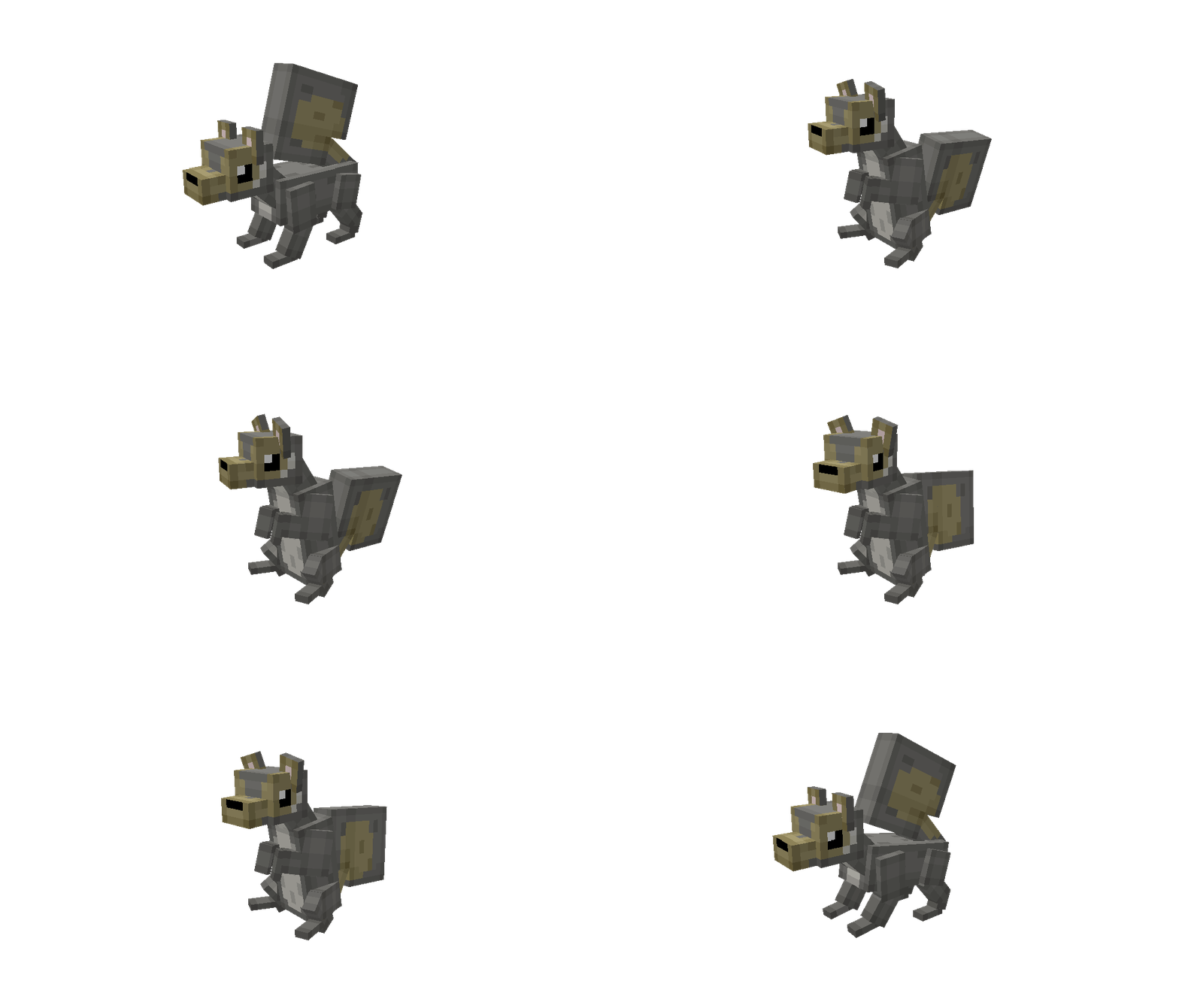
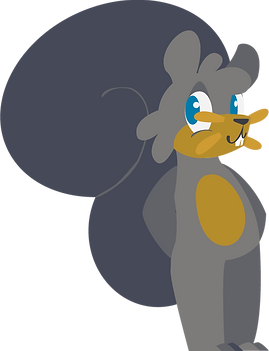
I wanted Eliot's sprites to contrast with the environment. Eliot would be the bright-colored, optimist squirrel in the middle of a dreary, foggy woods. The goal was to make the player feel whiplash, like Eliot was out of place.
-06.png)
-08.png)
-05.png)
Programming
The dialogue system I created relies heavily on scriptable objects and contains choices, branches, relationship points, quests, and tags to trigger visual effects.


.png)
The code to the right triggers a task within a quest. It determines what dialogue will be played based on if the quest for the task is active, the prerequisites are complete, and if the player has already completed the task on not.
When I create a newer version of this dialogue system in the future, I aim to leave more comments and break this method up into smaller pieces for better readability.


